Concurrent strongyloidiasis, Pneumocystis jirovecii pneumonia, and cryptosporidiosis in a non-HIV patient receiving long-term corticosteroid therapy: a case report
Manel Tayebi, Mohammed Labed Bouhdjer, Ryma Mellouk, Khaled Abdelouahed
Corresponding author: Manel Tayebi, Faculty of Pharmacy, University of Health Sciences Moudjahid Dr Youcef El-Khatib, Algiers, Algeria 
Received: 10 May 2026 - Accepted: 28 May 2026 - Published: 05 Jun 2026
Domain: Infection prevention and control, Laboratory medicine
Keywords: Strongyloidiasis, Pneumocystis jirovecii pneumonia, cryptosporidiosis, corticosteroids, case report
Funding: This work received no specific grant from any funding agency in the public, commercial, or not-for-profit sectors.
©Manel Tayebi et al. PAMJ Clinical Medicine (ISSN: 2707-2797). This is an Open Access article distributed under the terms of the Creative Commons Attribution International 4.0 License (https://creativecommons.org/licenses/by/4.0/), which permits unrestricted use, distribution, and reproduction in any medium, provided the original work is properly cited.
Cite this article: Manel Tayebi et al. Concurrent strongyloidiasis, Pneumocystis jirovecii pneumonia, and cryptosporidiosis in a non-HIV patient receiving long-term corticosteroid therapy: a case report. PAMJ Clinical Medicine. 2026;21:6. [doi: 10.11604/pamj-cm.2026.21.6.53289]
Available online at: https://www.clinical-medicine.panafrican-med-journal.com//content/article/21/6/full
Case report 

Concurrent strongyloidiasis, Pneumocystis jirovecii pneumonia, and cryptosporidiosis in a non-HIV patient receiving long-term corticosteroid therapy: a case report
Concurrent strongyloidiasis, Pneumocystis jirovecii pneumonia, and cryptosporidiosis in a non-HIV patient receiving long-term corticosteroid therapy: a case report
 Manel Tayebi1,&, Mohammed Labed Bouhdjer1, Ryma Mellouk1, Khaled Abdelouahed1
&Corresponding author
Strongyloidiasis may remain silent for years but can become severe under immunosuppression, particularly corticosteroid therapy. The concomitant occurrence of strongyloidiasis, Pneumocystis jirovecii pneumonia, and cryptosporidiosis in a non-HIV patient receiving long-term corticosteroids is unusual and highlights that multiple opportunistic infections may coexist despite HIV negativity. We report the case of a 34-year-old Algerian man treated for presumed idiopathic chronic eosinophilic pneumonia with prolonged corticosteroids, who presented with acute hypoxemic respiratory distress, fever, productive cough, epigastric pain, intermittent diarrhea, and fatigue. Chest imaging showed diffuse bilateral ground-glass opacities. The first stool examination was negative but showed numerous Charcot-Leyden crystals. Repeat examination using the Baermann technique identified rhabditiform larvae of Strongyloides stercoralis. Bronchoalveolar lavage PCR was positive for Pneumocystis jirovecii, while modified Ziehl-Neelsen staining, confirmed by fluorescence microscopy, detected Cryptosporidium oocysts. Treatment included albendazole because ivermectin was unavailable, intravenous trimethoprim-sulfamethoxazole, supportive management of cryptosporidiosis, gradual corticosteroid tapering, and drainage with antibiotic therapy for a perianal abscess. The outcome was favorable, with clinical and radiological improvement and negative follow-up stool examinations. This case emphasizes that a single negative stool examination does not exclude strongyloidiasis, especially with eosinophilia, soil exposure, and corticosteroid use. Repeated parasitological testing, systematic screening for Strongyloides stercoralis before or during immunosuppression, and early investigation for opportunistic infections are essential. When testing is unavailable and epidemiological or clinical risk is high, pre-emptive ivermectin may be considered.

Strongyloidiasis is a chronic parasitic infection caused by Strongyloides stercoralis, a nematode capable of maintaining lifelong infection through autoinfection. Although it may remain asymptomatic for decades, immunosuppression, particularly corticosteroid therapy, can precipitate severe disease and increase the risk of hyperinfection or dissemination [1-3]. Corticosteroid-treated patients are also vulnerable to opportunistic infections, including Pneumocystis jirovecii pneumonia and intestinal protozoal infections [4,5]. The concomitant occurrence of intestinal strongyloidiasis, Pneumocystis jirovecii pneumonia, and cryptosporidiosis in a non-HIV patient receiving prolonged corticosteroid therapy is unusual and clinically challenging. This case highlights the risk of multiple opportunistic infections under corticosteroids, the limitations of a single stool examination, the need for repeated parasitological testing when suspicion persists, and the importance of screening for Strongyloides stercoralis before or during immunosuppression in patients from endemic or potentially endemic areas.

Patient information: a 34-year-old Algerian man was admitted to the pulmonology department for a two-week history of worsening dyspnea, fever, and productive cough with mucoid sputum, associated with epigastric pain, intermittent diarrhea, and fatigue. Four years earlier, he had presented with exertional dyspnea and chronic cough. Chest imaging showed bilateral pulmonary opacities, and high-resolution computed tomography revealed peripheral and subpleural consolidations with ground-glass attenuation. Laboratory tests showed intermittent eosinophilia; pulmonary function tests demonstrated a restrictive defect with reduced diffusing capacity, and bronchoalveolar lavage revealed eosinophilic alveolitis. An extensive etiological workup, including drug exposure assessment, environmental and occupational assessment, allergen evaluation, assessment of allergic bronchopulmonary aspergillosis, and autoimmune testing, was negative. Parasitological evaluation was limited to a single direct stool examination, which was negative, without concentration techniques, repeated sampling, or serology. A diagnosis of idiopathic chronic eosinophilic pneumonia was therefore retained. The patient was treated with systemic corticosteroids, initially prednisone 40 mg/day for four weeks, tapered to 30 mg/day for two weeks, and then 20 mg/day for two weeks, with good clinical improvement. He subsequently received maintenance therapy at 5-10 mg/day. At admission, the exact corticosteroid dose was unclear; however, he had prolonged cumulative exposure over four years, with multiple relapses requiring repeated courses of 20-30 mg/day. He denied smoking and alcohol use. He lived in an urban area but reported repeated deployments in muddy, mountainous environments with frequent soil contact, sometimes without adequate foot protection. He had no history of international travel, and no relevant family or genetic history was reported.
Clinical findings: on admission, the patient was in acute respiratory distress. His temperature was 38°C, blood pressure 130/85 mmHg, heart rate 110 beats/min, respiratory rate 26 breaths/min, and oxygen saturation 86% on room air. Pulmonary examination revealed fine bilateral inspiratory crackles on auscultation. Abdominal examination showed epigastric tenderness. Local examination also revealed an inflamed perianal abscess, with no clinical signs of systemic sepsis.
Timeline of current episode: to provide a clear chronological overview of the case, the patient´s relevant past medical history, corticosteroid exposure, current clinical presentation, diagnostic investigations, therapeutic interventions, and follow-up outcomes are summarized in Table 1.
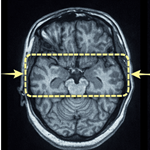
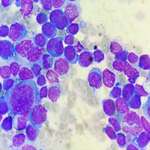
Diagnostic assessment: laboratory investigations showed leukocytosis at 14.4 x 10⁹/L, with neutrophil predominance at 75.9% and mild eosinophilia at 5.6%. Hemoglobin level was 140 g/L, and platelet count was 192 x 109/L. C-reactive protein was elevated at 110 mg/L, and lactate dehydrogenase was 461 U/L. Arterial blood gas analysis on room air showed pH 7.46, PaCO2 32 mmHg, and PaO2 58 mmHg. Liver and renal function tests were normal. The infectious workup was negative for tuberculosis, SARS-CoV-2, HIV, HTLV-1/2, syphilis, hepatitis B, hepatitis C, and blood cultures. Autoimmune screening was negative. Cardiac evaluation, including NT-proBNP, electrocardiography, and echocardiography, was normal. Chest radiography showed bilateral diffuse interstitial opacities, predominantly in the lower lung zones (Figure 1). High-resolution computed tomography showed diffuse bilateral ground-glass opacities with perihilar predominance and septal thickening. A first stool examination performed on day 2 was negative and showed numerous Charcot-Leyden crystals. A repeat stool examination using the Baermann technique was performed on day 4 and showed rhabditiform larvae of Strongyloides stercoralis (Figure 2). Serology for Toxocara and Ascaris was negative. Agar plate culture, molecular testing, and Strongyloides serology were not available. Flexible bronchoscopy with bronchoalveolar lavage was performed. No Strongyloides larvae were detected in the bronchoalveolar lavage fluid. Direct staining for Pneumocystis jirovecii was negative, while quantitative PCR on bronchoalveolar lavage fluid was positive for Pneumocystis jirovecii, with a Ct value of approximately 26. Further stool analysis showed Cryptosporidium oocysts on modified Ziehl-Neelsen staining, confirmed by fluorescence microscopy (Figure 3). Tests for Giardia intestinalis, Entamoeba histolytica, and bacterial pathogens were negative.
Diagnosis: the presumptive diagnosis was acute hypoxemic respiratory failure in an immunocompromised host, with initial consideration of infectious pneumonia and relapse of chronic eosinophilic pneumonia. The main differential diagnoses included pulmonary tuberculosis, COVID-19 pneumonia, HIV-associated opportunistic infection, autoimmune lung disease, and cardiogenic pulmonary edema; these were ruled out by appropriate microbiological, serological, immunological, and cardiac investigations. The final diagnosis was intestinal strongyloidiasis caused by Strongyloides stercoralis, concomitant Pneumocystis jirovecii pneumonia, and intestinal cryptosporidiosis in a non-HIV patient receiving prolonged systemic corticosteroid therapy. No disease-specific staging was applicable; after treatment, the patient showed favorable clinical, radiological, and parasitological evolution.
Therapeutic interventions: initial management included oxygen therapy at 4 L/min, intravenous methylprednisolone 40 mg/day, and empirical antibiotic therapy with ceftriaxone plus azithromycin for acute hypoxemic respiratory failure and suspected infectious pneumonia. After the diagnosis of strongyloidiasis, the patient received albendazole 400 mg twice daily for seven days because ivermectin was unavailable. Pneumocystis jirovecii pneumonia was treated with intravenous trimethoprim-sulfamethoxazole at 15 mg/kg/day of trimethoprim for 21 days. Corticosteroids were continued initially because of severe hypoxemia, then transitioned to oral prednisone with gradual tapering. Cryptosporidiosis was managed with oral rehydration because nitazoxanide was unavailable. The perianal abscess was treated by incision and drainage, combined with intravenous amoxicillin-clavulanic acid for seven days.
Follow-up and outcome of interventions: the clinical course was favorable, with progressive resolution of respiratory and gastrointestinal symptoms. Oxygen therapy was discontinued, and oxygen saturation improved to 96% on room air. Follow-up chest radiography at three weeks showed marked regression of pulmonary infiltrates. Inflammatory markers and eosinophil count normalized. Repeat stool examinations using the Baermann technique at the end of treatment and two weeks later were negative. No Cryptosporidium oocysts were detected on follow-up stool examination. No major adverse events related to treatment were reported.
Patient perspective: the patient reported marked improvement after treatment, especially regarding breathing, fatigue, abdominal symptoms, and diarrhea. He expressed relief after the identification of the infectious causes of his symptoms and understood the importance of follow-up after prolonged corticosteroid therapy.
Informed consent: informed consent was obtained from the patient for publication of this case report and the accompanying clinical images. All identifying information was removed to ensure patient confidentiality.
Strongyloidiasis is a neglected parasitic infection with an estimated global burden of several hundred million cases [1]. In Africa, its prevalence is likely underestimated due to the limited sensitivity of available diagnostic methods [6]. In Algeria and other Mediterranean settings, limited epidemiological data should therefore not be interpreted as the absence of transmission. In this patient, repeated exposure to muddy soil without adequate foot protection was a plausible source of infection. After skin penetration by infective filariform larvae, Strongyloides stercoralis migrates through the bloodstream to the lungs, ascends the tracheobronchial tree, is swallowed, and matures in the small intestine. Rhabditiform larvae may be passed in stool or transform into invasive filariform larvae within the host, allowing autoinfection and long-term persistence [3]. This cycle explains why chronic infection may remain silent for years before becoming severe under immunosuppression. The initial presentation was compatible with idiopathic chronic eosinophilic pneumonia, including pulmonary infiltrates, eosinophilic alveolitis, restrictive ventilatory impairment, and corticosteroid responsiveness. However, the parasitological evaluation was limited to a single stool examination without concentration, repeated sampling, serology, or specific larval detection methods. This was insufficient to exclude Strongyloides stercoralis, particularly in a patient with eosinophilia and soil exposure. Retrospectively, chronic strongyloidiasis may have contributed to the earlier eosinophilic pulmonary manifestations, although this cannot be confirmed. Corticosteroid responsiveness does not exclude parasitic disease, because inflammation may improve while the parasite persists.
Corticosteroids were the major factor favoring clinical progression. They suppress anti-helminth Th2 immunity, eosinophil activity, and inflammatory responses needed to control larvae; they may also promote transformation of rhabditiform larvae into invasive filariform larvae, increasing autoinfection. Severe strongyloidiasis, including hyperinfection and disseminated disease, carries mortality exceeding 60% and can occur even after short corticosteroid exposure of 7 to 14 days, with higher risk during prolonged therapy and higher doses [3,4]. In this patient, respiratory and gastrointestinal symptoms initially suggested hyperinfection. However, the absence of Strongyloides stercoralis larvae in respiratory samples and the confirmed diagnosis of Pneumocystis jirovecii pneumonia make established hyperinfection unlikely. The presentation is more consistent with intestinal strongyloidiasis in an immunosuppressed host at high risk of progression.
The respiratory presentation was consistent with Pneumocystis jirovecii pneumonia in a non-HIV immunocompromised host. This infection is classically associated with impaired cellular immunity and prednisone-equivalent doses of at least 20 mg/day for more than four weeks [5]. In this patient, acute hypoxemic respiratory failure, diffuse bilateral ground-glass opacities, elevated LDH, and positive PCR for Pneumocystis jirovecii in bronchoalveolar lavage, with a low Ct value, supported active infection rather than colonization. Gastrointestinal manifestations were probably multifactorial. Cryptosporidiosis can cause watery diarrhea and abdominal pain in immunocompromised patients [7], while intestinal strongyloidiasis may produce overlapping digestive symptoms [3,4]. Detection of Cryptosporidium oocysts in a symptomatic patient supported its pathogenic role. The favorable evolution without specific anti-cryptosporidial therapy suggests a mild course. The perianal abscess was most probably bacterial and favored by immunosuppression; however, a contributory role of Strongyloides stercoralis cannot be fully excluded, because autoinfective larvae may facilitate bacterial translocation [8]. This remains speculative in the absence of direct evidence.
Diagnosis was a central challenge. Conventional stool microscopy detects fewer than 50% of strongyloidiasis cases, increasing to approximately 40% to 70% with repeated samples. Sensitivity is higher with the Baermann technique, around 40% to 80%, and agar plate culture, around 60% to 98%. Serology is sensitive, around 85% to 95%, but may be limited by cross-reactivity, whereas PCR is highly specific but has moderate sensitivity [9]. In this patient, the first stool examination was negative but showed numerous Charcot-Leyden crystals, which should prompt repeat testing in the appropriate context. Diagnosis was achieved only after repeat Baermann examination, confirming the value of adapted and repeated parasitological methods. The diagnosis of the other infections also required careful interpretation. In non-HIV patients, microscopy for Pneumocystis jirovecii has limited sensitivity because fungal burden is often low, whereas bronchoalveolar lavage PCR is more sensitive; serum β-D-glucan may support diagnosis but remains nonspecific [5]. For cryptosporidiosis, modified Ziehl-Neelsen staining detects Cryptosporidium oocysts in stool, whereas molecular methods are more sensitive and allow species identification [7]. This case therefore shows the importance of combining conventional parasitology, special staining, and molecular testing when several opportunistic infections are suspected. The strengths of this case report include the documentation of three concomitant opportunistic infections in a non-HIV patient receiving long-term corticosteroid therapy, the use of repeated stool examination with the Baermann technique after an initially negative stool examination, and the integration of clinical, radiological, parasitological, and molecular findings. This case is clinically relevant because it shows that an initially negative stool examination can delay diagnosis and that respiratory and gastrointestinal symptoms in immunosuppressed patients may reflect more than one infection.
This case also has limitations. Strongyloides serology, agar plate culture, and molecular confirmation were unavailable, limiting diagnostic certainty and follow-up assessment. Cryptosporidium species identification was not performed. The exact cumulative corticosteroid dose was not fully documented, and it remains impossible to determine whether strongyloidiasis preceded or contributed to the initial eosinophilic lung disease. Finally, the causal relationship between Strongyloides stercoralis infection and the other opportunistic infections cannot be proven; immunosuppression remains the most likely common predisposing factor. From a therapeutic perspective, ivermectin is the treatment of choice for strongyloidiasis, with cure rates of approximately 85%, compared with around 50% for albendazole, which requires close post-treatment follow-up when used [2,3,9]. In this case, ivermectin unavailability necessitated albendazole therapy, and repeated negative Baermann examinations after treatment supported a favorable parasitological response, although continued follow-up remains warranted. Trimethoprim-sulfamethoxazole remains the standard treatment for Pneumocystis jirovecii pneumonia [5]. The continuation of corticosteroids because of severe hypoxemia illustrates a therapeutic dilemma: they may be necessary in severe Pneumocystis jirovecii pneumonia but may worsen strongyloidiasis if the parasite is not treated. Nitazoxanide is recommended for cryptosporidiosis, although response depends on immune status [7].
This case emphasizes prevention. Screening for Strongyloides stercoralis should be performed before prolonged corticosteroid or other immunosuppressive therapy in patients with epidemiological exposure or eosinophilia [10]. When testing is unavailable and risk is high, pre-emptive ivermectin may be considered [2,10]. In addition, prophylaxis against Pneumocystis jirovecii pneumonia with trimethoprim-sulfamethoxazole is recommended for patients receiving prednisone-equivalent doses of ≥20 mg/day for more than four weeks [5], whereas prevention of cryptosporidiosis mainly relies on hygiene measures and access to safe water [7]. Overall, this case supports systematic risk assessment, repeated parasitological testing when suspicion persists, and early investigation for multiple opportunistic infections in immunosuppressed patients with combined respiratory and gastrointestinal symptoms.
This case highlights the importance of considering Strongyloides stercoralis infection in patients with eosinophilia, gastrointestinal or respiratory symptoms, and relevant soil exposure before initiating or continuing long-term corticosteroid therapy. A single negative stool examination does not exclude strongyloidiasis, and repeated parasitological testing using appropriate methods, such as the Baermann technique, is essential when clinical suspicion persists. The concomitant diagnosis of strongyloidiasis, Pneumocystis jirovecii pneumonia, and cryptosporidiosis emphasizes that several opportunistic infections may coexist in corticosteroid-treated, non-HIV patients. Early recognition, adapted diagnostic investigations, prompt treatment, and preventive screening for Strongyloides stercoralis in at-risk patients are key to reducing severe complications. When diagnostic testing is unavailable and epidemiological or clinical risk is high, pre-emptive ivermectin may be considered before or during immunosuppressive therapy.
The authors declare no competing interests.
Manel Tayebi contributed to the acquisition of clinical and laboratory data and wrote the first draft of the manuscript. Mohammed Labed Bouhdjer and Ryma Mellouk critically revised the manuscript for important intellectual content, provided scientific recommendations, and contributed to improving the manuscript. Khaled Abdelouahed supervised the work, directed the manuscript preparation, and critically reviewed and corrected the final version before submission. All authors have read and approved the final version of this manuscript.
Table 1: timeline of the patient´s clinical course, diagnostic investigations, treatment, and outcome
Figure 1: chest radiograph showing diffuse bilateral reticular-interstitial opacities, predominantly in the lower lung zones, without consolidation, pleural effusion, or pneumothorax
Figure 2: rhabditiform larva of Strongyloides stercoralis identified in stool using the Baermann technique, showing a rhabditoid esophagus and a prominent genital primordium (arrows) (x400)
Figure 3: Cryptosporidium oocysts (4-6 μm) detected by modified Ziehl-Neelsen staining, showing acid-fast fuchsia oocysts (left), and by fluorescence microscopy, showing bright oocysts (right) (x1000, oil immersion)
- Buonfrate D, Bisanzio D, Giorli G, Odermatt P, Fürst T, Greenaway C et al. The global prevalence of Strongyloides stercoralis infection. Pathogens. 2020;9(6):468. PubMed | Google Scholar
- Lo NC, Addiss DG, Buonfrate D, Amor A, Anegagrie M, Bisoffi Z et al. Review of the WHO guideline on preventive chemotherapy for public health control of strongyloidiasis. Lancet Infect Dis. 2025;25(3):e146-e152. PubMed | Google Scholar
- Gordon CA, Utzinger J, Muhi S, Becker SL, Keiser J, Khieu V et al. Strongyloidiasis. Nat Rev Dis Primers. 2024;10(1):6. PubMed | Google Scholar
- Yeung S, Bharwada Y, Bhasker S, Boggild A. Strongyloidiasis: what every gastroenterologist needs to know. Ther Adv Chronic Dis. 2022;13:20406223221137499. PubMed | Google Scholar
- Rhoads S, Maloney J, Mantha A, Van Hook R, Henao-Martínez AF. Pneumocystis jirovecii pneumonia in HIV-negative, non-transplant patients: epidemiology, clinical manifestations, diagnosis, treatment, and prevention. Curr Fungal Infect Rep. 2024;18(2):125-135. PubMed | Google Scholar
- Hailu T, Nibret E, Amor A, Munshea A. Strongyloidiasis in Africa: systematic review and meta-analysis on prevalence, diagnostic methods, and study settings. Biomed Res Int. 2020;2020:2868564. PubMed | Google Scholar
- Balendran T, Iddawela D, Lenadora S. Cryptosporidiosis in a zoonotic gastrointestinal disorder perspective: present status, risk factors, pathophysiology, and treatment, particularly in immunocompromised patients. J Trop Med. 2024;2024:6439375. PubMed | Google Scholar
- Gardini G, Froeschl G, Gurrieri F, De Francesco MA, Cattaneo C et al. Strongyloides stercoralis infection: an underlying cause of invasive bacterial infections of enteric origin. Results from a prospective cross-sectional study of a northern Italian tertiary hospital. Infection. 2023;51(5):1541-1548. PubMed | Google Scholar
- Buonfrate D, Bradbury RS, Watts MR, Bisoffi Z. Human strongyloidiasis: complexities and pathways forward. Clin Microbiol Rev. 2023;36(4):e0003323. PubMed | Google Scholar
- Carnino L, Schwob JM, Gétaz L, Nickel B, Neumayr A, Eperon G. A practical approach to screening for Strongyloides stercoralis. Trop Med Infect Dis. 2021;6(4):203. PubMed | Google Scholar
Search

This article authors
On Pubmed
On Google Scholar
Citation [Download]
Navigate this article
Similar articles in
Key words
Tables and figures



Article metrics
Recently from the PAMJ-CM